


Many modern families share domestic duties in a way that would have been foreign to previous generations. Dads today often willingly do a load of laundry, change a diaper, or cook a meal. Many moms can complete home repairs, handle vehicle maintenance, and throw a ball. These shifts are healthy because they allow children to see both parents contributing to household and parenting tasks.
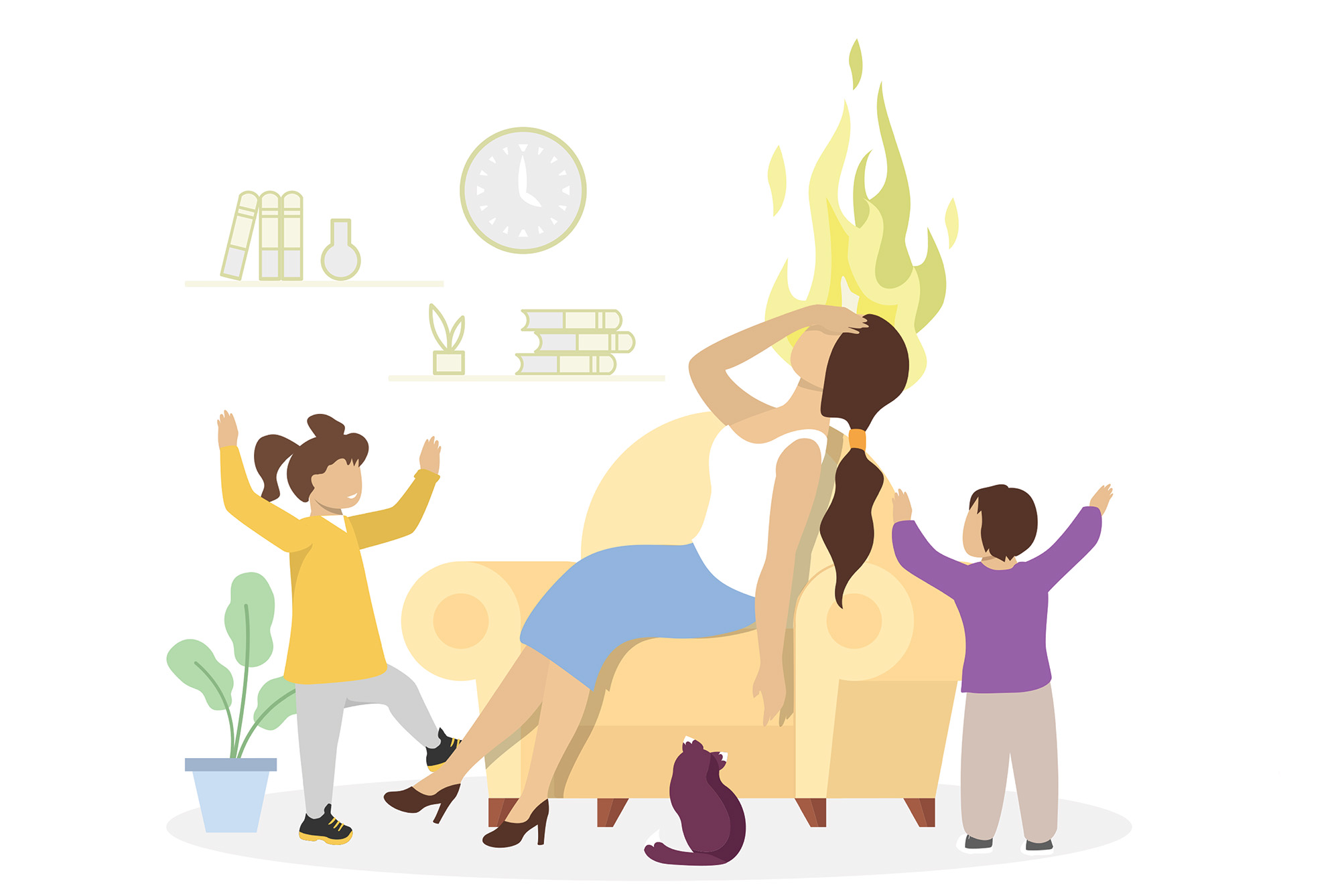
Unfortunately, the invisible, emotional labor needed to support a modern family often remains somewhat gender-specific. A report from the United Nations found that women do 2.6 times more unpaid work than men, including unseen tasks like school carpooling, caring for elderly relatives, holiday planning, and supporting family harmony and enrichment. Unfortunately, these unbalanced family responsibilities mean mothers risk burnout.
What Is Emotional Labor?: Although many tasks classified as emotional labor address a family’s emotional and physical well-being, any administrative effort that contributes to a well-run household falls into this category, which is sometimes called “mental load.”
Because many moms are the emotional center of the home, they are expected to be fully available when family members are sick, troubled, or stressed. Mom is also often the invisible elf who ensures that everyone has clothing that fits, food to eat, and a schedule that works.
Emotional labor often extends far beyond the immediate family. Moms not only remember issues and occasions important to those residing under her roof, but she is also responsible for people who are important to her family, like her in-laws, her children’s teachers, and her spouse’s coworkers.
The Potential For Burnout: When you add these invisible tasks to a full schedule, it’s no surprise that many mothers feel exhausted. Understandably, this fatigue can lead to resentment and frustration.
No one notices invisible labor until it goes undone, at which time moms can be criticized or made to feel guilty. Even worse, many parents feel uncomfortable outsourcing these unrelenting tasks since they are so closely related to the family.
Unfortunately, the unappreciated nature of emotional labor can cause a mother to withdraw when her family needs her the most. According to Dr. Amelia Nagoski, author of Burnout: The Secret to Unlocking the Stress Cycle, parental burnout can lead to a decrease in empathy and a dwindling sense of accomplishment. Eventually, an overwhelmed parent may shut down due to a belief that “nothing you do makes any difference,” she explains.
The Benefits Of Shared Responsibility: Mom is an obvious beneficiary of shared responsibility, but all family members win in a home that values equality. Data published in the Journal of Marriage and Family suggests that men who take on more emotional labor enjoy increased physical intimacy in their marriages.
Fathers who share the mental load set an important example for their children, particularly their daughters. Research conducted by the Association for Psychological Science found that fathers who embraced household responsibilities raised daughters who were more likely to pursue higher-paying careers. “How fathers treat their domestic duties appears to play a unique gatekeeper role,” explains researcher Alyssa Croft.
How To Approach A Partner: Don’t assume that negotiating emotional labor is just another form of work, making it easier to do these tasks yourself. Although it’s tempting to believe that mothers are naturally better at soothing school dramas, buying gifts, and making sure that the house is well-stocked, these assumptions are untrue. Women tend to have more practice opportunities, but any family member can learn by doing.
Fortunately, most spouses want an equal partnership, but are either unaware of this inequality or are unsure of how to do their fair share.
These misunderstandings contribute to imbalance, so approach your partner to make them aware you’re swamped. Be clear that you are asking for shared responsibility, not help—which implies the task in question is solely your job.
Don’t wait until a full-blown crisis, and acknowledge the contributions they already make so that they are not too defensive to hear your message. It may help to explain that this arrangement will benefit your entire family. After all, you’re modeling the skills that your children will one day use to run their own households.
Once you calmly ask them what they’re willing to take on, know that they may have their own way of completing the task, which means that you will have to relinquish control.
Hovering over a partner who is trying to share responsibility is continuing the cycle of imbalance. It is very common to assume that mom has a firm lock on emotional labor, while her partner is only a helpmate. We must change this outlook, says Gemma Harley, the author of Fed Up: Emotional Labor, Women, and the Way Forward, because it “sets up women for an overwhelming dive into the deep waters of emotional labor, but also inhibits men from growing and stepping fully into the role of parent.”
Clarifying Essential Tasks: The value of emotional labor is immeasurable because it ensures that those we love feel secure and cared for. However, not every task is essential. Lightening your load may mean dropping obligations that no longer serve you or your family. Ask yourself what you do out of obligation rather than out of necessity or joy. Keeping only joyful and essential tasks means that you can lovingly offer emotional labor because you don’t feel undervalued, overwhelmed, and used.
Harley reassures families that sharing invisible labor “gives all of us a chance to live fuller and more authentic lives.” Even better, when we share these responsibilities, we allow our loved ones to create their own systems, their own sets of priorities, and their own deep connections.